

Aesthetic Treatments for Deeper Skin Tones: What to Watch Out For
Aesthetic treatments can be safe and effective on every skin tone but deeper skin doesn't behave the same way lighter skin does, and the difference matters. Melanin-rich skin is more reactive: it's more prone to pigmentation changes and to certain kinds of scarring, and it responds differently to heat and energy-based devices. When that isn't understood, results can range from disappointing to genuinely damaging.
The good news is that almost all of this is avoidable. As a doctor, my view is simple: the treatment is rarely the problem. The assessment, the device choice, and the experience of the person holding it are what determine your outcome. This guide explains what to watch out for if you have dark or deeper skin, so you can ask the right questions and treat with confidence.
Why skin tone changes the rules in aesthetics
Skin is often described using the Fitzpatrick scale, which runs from Type I (very fair, always burns) to Type VI (deeply pigmented, rarely burns). Deeper skin tones (Fitzpatrick IV to VI) contain more active melanin and more reactive pigment-producing cells (melanocytes).
That extra melanin is protective in many ways, but it also means the skin is quicker to respond to injury or inflammation by producing more pigment. Heat, trauma, and inflammation are the three triggers that matter most in aesthetics and several popular treatments involve exactly those things. This is why a treatment that's routine on fair skin can carry real risk on deeper skin if it isn't adjusted.
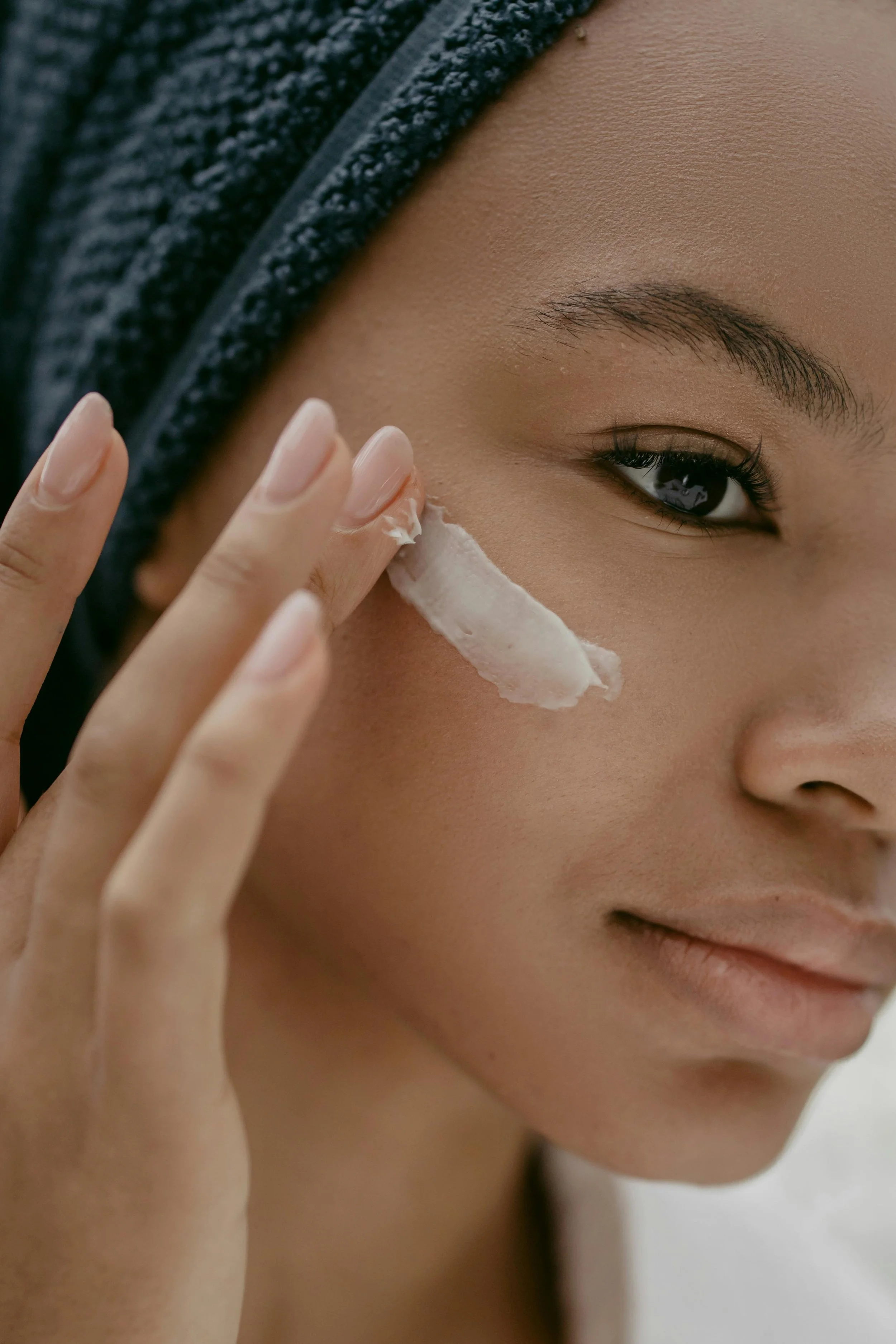
The main risks to watch out for
Post-inflammatory hyperpigmentation (PIH): This is the single most common complication in skin of colour. After any inflammation the skin can respond by laying down extra pigment, leaving darker patches that can take months to fade. PIH is the reason "less is more" is the golden rule in deeper skin: gentler, well-judged treatments almost always beat aggressive ones.
Post-inflammatory hypopigmentation: The opposite can also happen, lighter patches where pigment-producing cells have been damaged, often by excessive heat or an inappropriate laser setting. Hypopigmentation can be slower to recover than darkening, and sometimes doesn't fully resolve, which is why conservative settings matter so much.
Keloid and hypertrophic scarring: Deeper skin is more prone to raised, thickened scars, including keloids that grow beyond the original wound. This is relevant for any treatment that breaks the skin, and it's an important part of your medical history to share, if you or close relatives scar this way, your practitioner needs to know before anything is done.
Laser and IPL burns: Many older lasers and IPL (intense pulsed light) devices target pigment indiscriminately and on deeper skin, the melanin in the skin itself can absorb that energy, causing burns, blistering, and lasting pigment change. Some technologies are far better suited to deeper tones than others, and a few should generally be avoided.

Which treatments tend to be safer and what to ask about
Injectables (anti-wrinkle treatment and dermal fillers). These are generally safe across all skin tones, because they don't rely on heat or light. The main consideration is to reduce any risk of bruising or pigment marks careful technique, and sometimes a cannula rather than a needle.
Lasers and energy devices. Safe and effective when the right technology is used at the right settings. The key question to ask is whether the specific device and settings are appropriate for your Fitzpatrick type not just whether the clinic "does lasers."
Chemical peels. Gentler, well-conditioned peels with skin-appropriate ingredients are a strong option for tone and texture. Ask how your skin will be prepared beforehand and how the depth is chosen for your skin type.
Microneedling. Often well tolerated on deeper skin and useful for texture and scarring, though it still needs a measured approach to avoid unnecessary inflammation.
Pigmentation treatment. Prescription topicals can be very effective but should be used under medical supervision unregulated skin-lightening products bought online can cause real harm and paradoxical hard to treat darkening of the skin.
Medical grade skincare alongside in clinic treatment
How to treat safely: A Doctor's Checklist
A practitioner experienced specifically with skin of colour. Ask directly: "How often do you treat darker skin and with which devices?" Confidence and specifics are reassuring; vagueness isn't.
A proper consultation and medical history, including any history of keloids, melasma, or pigmentation problems.
A patch test or test area for any energy-based treatment, so the skin's response is checked before a full treatment.
Skin preparation where appropriate, priming the skin in the weeks beforehand can reduce the risk of pigment changes.
A conservative, staged plan. Building up gently is safer than chasing a fast result.
Daily sun protection. Consistent SPF is one of the most important things you can do to protect your results and prevent pigmentation, before and after treatment.
The bottom line
Dark skin isn't "difficult" to treat, it rewards expertise. With the right assessment, the right technology, and a practitioner who understands deeper skin, aesthetic treatments can be both safe and beautifully natural. If you have deeper skin and you've been put off, or burned before, you're not alone and you deserve care that's built around your skin.
Frequently asked questions
Are aesthetic treatments safe for dark skin? Yes when they're chosen and delivered correctly. Deeper skin is more prone to pigmentation changes and certain scarring, so the right device, settings, and an experienced practitioner are essential. The risks come from the wrong approach, not from having dark skin.
What is the biggest risk of aesthetic treatments on dark skin? Post-inflammatory hyperpigmentation (PIH) darker patches that appear after inflammation or injury to the skin. It's usually preventable with gentler treatments, good skin preparation, and conservative settings.
Is laser treatment safe for dark skin? It can be, but only with appropriate technology and settings. Some older lasers and IPL devices carry a higher risk of burns and pigment change on deeper skin. Always ask whether the specific device is suitable for your Fitzpatrick skin type, and request a test patch.
Can I have anti-wrinkle injections and fillers if I have dark skin? Absolutely, yes. Injectables don't rely on heat or light, so they're considered safe across all skin tones. Careful technique helps minimise any bruising or marks at the injection sites.
Written by Dr Blessing Essang, GP and concierge doctor, London. This article is for general information and isn't a substitute for personalised medical advice. To discuss treatments suited to your skin, book a private consultation